
How Mosques Can Streamline Ramadan 2026 Operations with One Digital Platform

Ramadan is the most important and busiest time of the year for every mosque. From managing large congregations and prayer schedules to handling donations, announcements, and community programs, the workload increases significantly. As we approach Ramadan 2026, relying on manual processes and scattered tools can create stress, confusion, and missed opportunities for engagement.

This is why many mosques are now adopting a digital masjid platform to manage everything in one place. With the right mosque operations software, masjids can simplify planning, improve communication, and offer a better experience for worshippers throughout the holy month.

In this blog, we’ll explore how mosques can streamline Ramadan 2026 mosque management using a single digital platform and why it’s becoming essential for modern masjid operations.
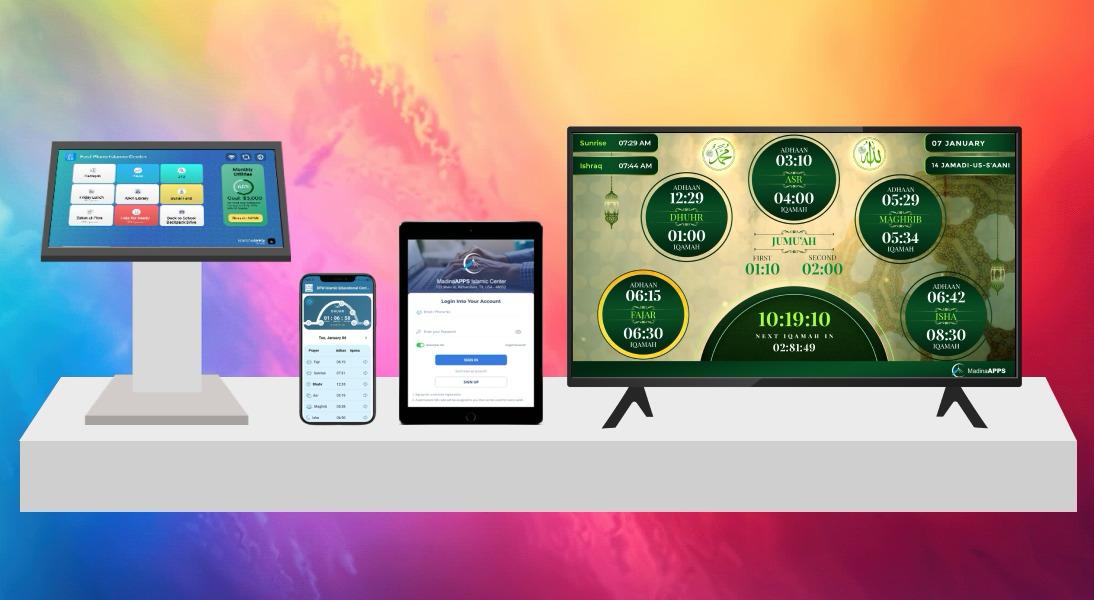
Why Ramadan 2026 Requires Smarter Mosque Management

Every Ramadan comes with unique challenges:
  • Increased number of worshippers
  • Multiple daily prayers, Taraweeh, and Qiyam
  • Zakat, Sadaqah, and Fitrana collections
  • Daily announcements and schedule changes
  • Iftar programs and community events

In 2026, expectations are higher than ever. Worshippers want instant updates, digital donation options, and clear prayer timings on their phones. Managing all this manually or across multiple tools can lead to errors, delays, and frustration.

That’s where Ramadan planning tools for mosques come in—bringing everything under one unified system.

What Is a One Digital Platform for Mosques?

A one digital platform is an all-in-one mosque operations software that helps manage:
  • Prayer and Taraweeh schedules
  • Announcements and notifications
  • Digital donations and fundraising
  • Community events and programs
  • Member engagement and communication
Instead of using separate apps, notice boards, spreadsheets, and paper forms, mosques can handle all operations from a single dashboard.
This approach saves time, reduces workload, and ensures consistency during Ramadan.

Centralized Prayer & Taraweeh Scheduling

During Ramadan, prayer schedules change frequently. Taraweeh timings, Qiyam-ul-Layl, and special lectures must be communicated clearly.

A digital masjid platform allows mosques to:

  • Update Ramadan prayer timings instantly
  • Share Taraweeh and Qiyam schedules
  • Notify worshippers of any last-minute changes
  • Display schedules on mobile apps and screens
This ensures everyone stays informed without repeated announcements or confusion.

Simplifying Donations with Digital Tools

Ramadan is the peak season for charity. Managing donations efficiently is critical for mosque operations.

With modern Ramadan planning tools for mosques, masjids can offer:

  • QR code payments inside the mosque
  • Automated Zakat, Sadaqah, and Fitrana categories
  • Instant donation confirmations
This improves transparency and makes giving easy for worshippers, while mosque teams can track collections in real time.

Streamlined Announcements & Communication

One of the biggest challenges during Ramadan is communication. Announcements are frequent, and information must reach everyone quickly.

Using a digital masjid platform, mosques can:

  • Send push notifications for daily updates
  • Share announcements for Iftar, lectures, and events
  • Post Ramadan reminders and duas
  • Reduce reliance on repeated verbal announcements
This ensures messages reach worshippers whether they’re inside the mosque or at home.

Managing Community Events with Ease

Ramadan is not just about prayers—it’s about community. Mosques host:
  • Iftar programs
  • Charity drives
  • Educational talks
  • Youth and family events

With mosque operations software, event management becomes simple. Mosques can publish event details, manage registrations, and share reminders—all from one platform.

This improves participation and keeps the community engaged throughout the month.

Reducing Volunteer & Staff Workload

Ramadan places extra pressure on mosque staff and volunteers. Manual coordination often leads to burnout.

A unified digital masjid platform helps by:

  • Automating repetitive tasks
  • Reducing paperwork
  • Minimizing manual announcements
  • Centralizing all information
This allows staff to focus more on serving the community rather than managing logistics.

Improving Transparency & Trust

Transparency is essential, especially when handling donations. Digital systems provide clear records and reports.

With proper Ramadan 2026 mosque management tools, mosques can:

  • Track donation totals accurately
  • Share progress updates with the community
  • Maintain digital records for accountability
This builds trust and encourages consistent giving during Ramadan and beyond.

Engaging the Younger Generation

Younger worshippers expect digital convenience. Mobile apps, instant notifications, and cashless donations are no longer optional.

A modern mosque operations software helps mosques:

  • Stay relevant to tech-savvy users
  • Encourage youth participation
  • Build long-term engagement
This ensures the masjid remains a central part of community life for future generations.

Building Long-Term Digital Readiness Beyond Ramadan

While Ramadan 2026 is the main focus, adopting a digital platform benefits mosques year-round. Once systems are in place, they support daily prayers, Jummah management, Eid planning, educational programs, and continuous charity efforts.
Worshippers become comfortable using digital tools, making communication smoother long after Ramadan ends. This long-term readiness helps mosques grow sustainably, maintain strong engagement, and operate more efficiently in an increasingly digital world.
These touches help worshippers feel connected to the mosque even when they’re not physically present.

Why One Platform Is Better Than Multiple Tools

Using multiple tools often causes data gaps and confusion. A single digital masjid platform ensures:
  • Consistent information across all channels
  • Easier management for administrators
  • Better experience for worshippers
This unified approach is key to successful Ramadan planning tools for mosques in 2026.

Real-Time Insights for Better Ramadan Decision-Making

Another major advantage of using a digital masjid platform during Ramadan 2026 is access to real-time data and insights. Mosque administrators can instantly view donation trends, attendance patterns, and engagement levels through simple dashboards. This helps leadership make informed decisions, such as adjusting prayer arrangements, planning additional Taraweeh sessions, or organizing extra community programs when demand increases. Instead of guessing what the community needs, mosques can respond proactively using accurate information. Real-time reporting also helps ensure funds are allocated effectively to iftar programs, charity distributions, and maintenance needs. With clear visibility into mosque operations, leaders can manage Ramadan activities more confidently and efficiently, creating a smoother experience for both staff and worshippers.

Final Thoughts

As Ramadan 2026 approaches, mosques must prepare for higher expectations and increased responsibilities. Relying on manual systems or disconnected tools can limit efficiency and impact.
By adopting a single mosque operations software, masjids can streamline prayer schedules, donations, announcements, and community engagement—all from one platform. This not only simplifies Ramadan management but also prepares mosques for the future.
Digital transformation is no longer a luxury—it’s a necessity for effective, organized, and impactful mosque operations in Ramadan 2026 and beyond.

Visit madinaapps.com to learn more.